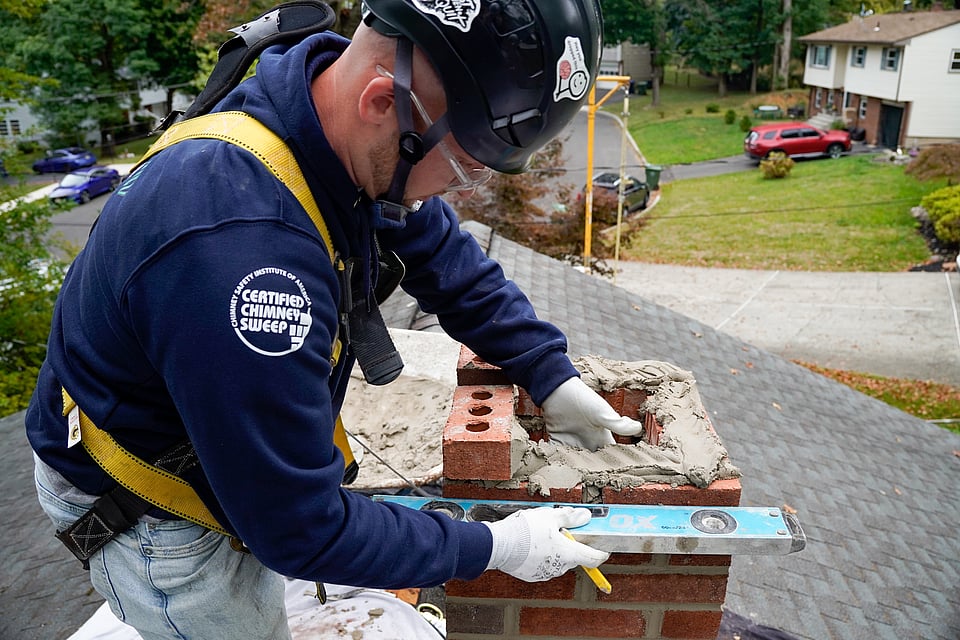
Adding a fireplace to your home is one of the most rewarding upgrades a homeowner can make. Whether you live in Hamilton Township, Ewing, Plainsboro, or a nearby Mercer County community, a new fireplace brings warmth, character, and long-term value to your living space. For many homeowners, the process feels uncertain. What does fireplace installation actually involve, and what choices will you need to make? This guide walks you through what to expect from start to finish.
Adding a fireplace to a home that was never built with one is entirely possible. Many homeowners in Hamilton Township, Ewing, and Plainsboro assume the process is too invasive or costly, but modern options make it achievable for a wide range of homes and budgets. The right approach depends on your home's layout, fuel preference, and how much structural work you're willing to take on. Common fireplace installation options include:


Choosing the right location for your fireplace installation is a decision that balances function, aesthetics, and structural feasibility. Living rooms remain the most popular choice, offering a natural gathering space for families and guests. However, homeowners in Ewing, Plainsboro, and Hamilton Township increasingly opt for primary bedrooms, finished basements, or open-concept kitchen and dining areas.
Exterior walls are often preferred for easier venting, but interior placements are workable depending on the fireplace type. Your installer will assess ceiling height, flooring, wall construction, and proximity to combustibles before recommending a location. A certified professional will also factor in local building codes and clearance requirements to ensure the installation meets all standards.
A chimney is not always required for fireplace installation, and this surprises many homeowners. The answer depends almost entirely on the type of fireplace you choose. Gas and electric options, in particular, have changed what is possible in homes without existing chimney structures. Here is a breakdown by fireplace type:
The fireplace installation process varies based on the type of unit, your home's layout, and whether new venting infrastructure is needed. Most projects follow a clear sequence, though timelines differ depending on complexity. Here is what a typical installation involves:
 CSIA Certified #8008
NCSG Member
NFI Certified #172637
F.I.R.E. Certified #FCI-439
NJHIC #13VH05584100
Master Hearth #19MH00002100
FAA Part 107
C-DET #1346
CSIA Certified #8008
NCSG Member
NFI Certified #172637
F.I.R.E. Certified #FCI-439
NJHIC #13VH05584100
Master Hearth #19MH00002100
FAA Part 107
C-DET #1346